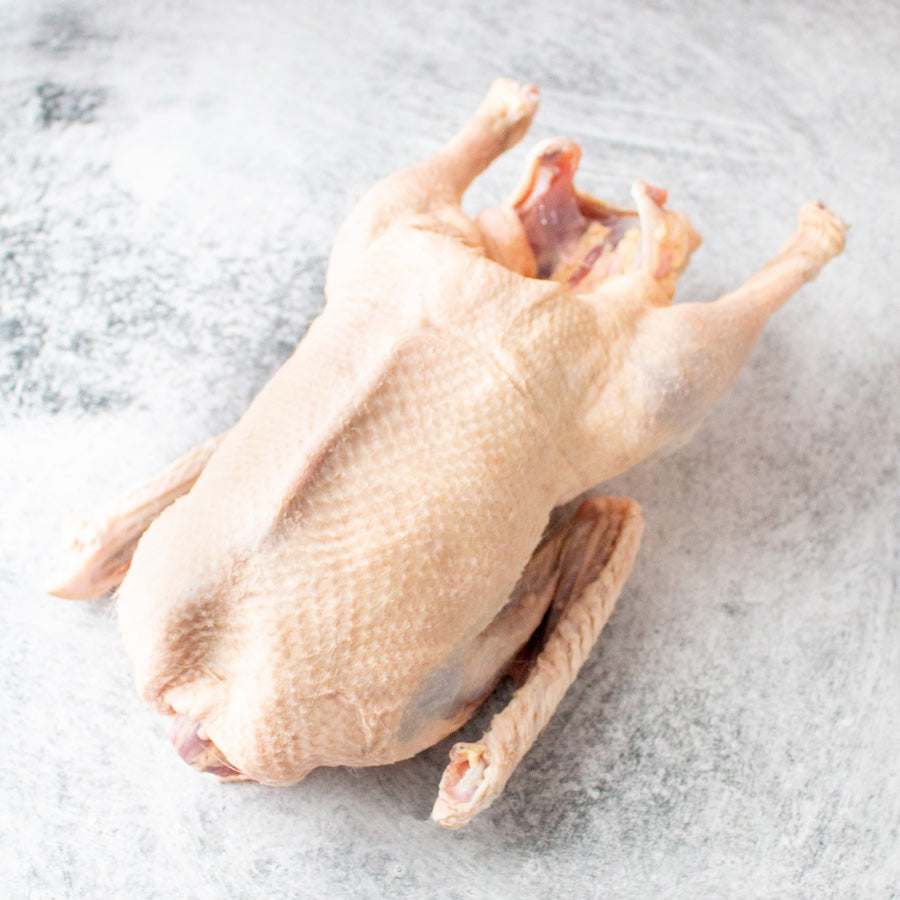
How to Roast Goose: A Step-by-Step Guide
We, like many today, are relatively new to cooking goose. We’ve found it to be an incredibly luxurious, rich meat, with a depth of flavor unlike any other poultry. The sheer amount of fat it produces is impressive—and fun to work with. Goose meat has a little bite, so letting it rest properly and tenderizing when possible (for example, when cooking just the breast) always helps. It’s a rewarding culinary experience, and we’re still learning along the way. This recipe summarizes what we’ve discovered to help you enjoy this experience with clarity and confidence.
Preparing Your Goose: Stuffed or Unstuffed
First, decide whether you want to stuff your goose. A stuffed goose absorbs some of the rendered fat, producing a rich, flavorful stuffing that many people love. However, this reduces the amount of clean fat available for other uses.
If your goal is to save the fat for Chanukah dishes, we recommend cooking the goose unstuffed. This recipe focuses on an unstuffed roast to produce the cleanest possible cooking fat. Traditional stuffing recipes are provided at the end for those who prefer a stuffed goose.
Choose Your Cooking Method
Method 1 — Dry Heat Roast
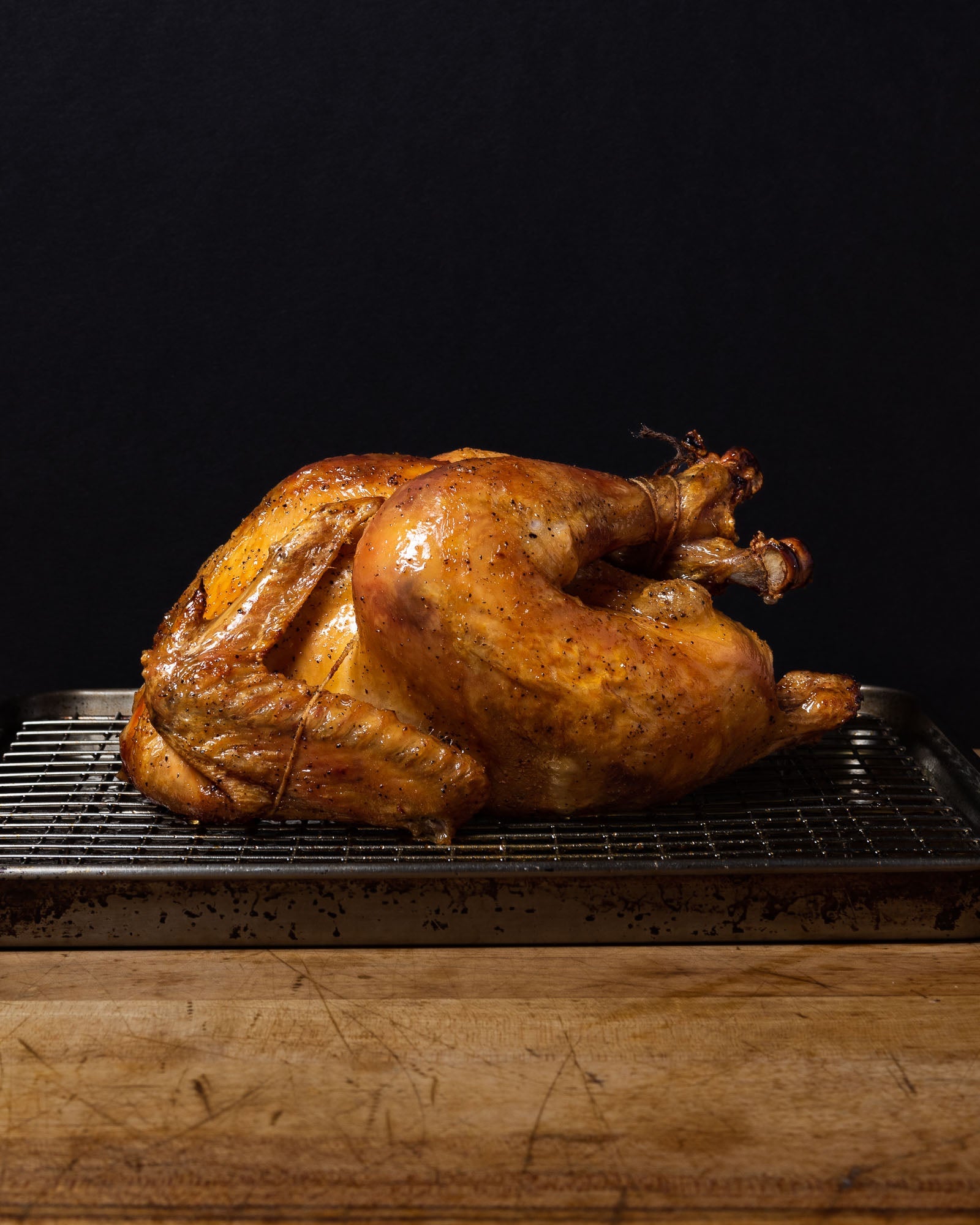
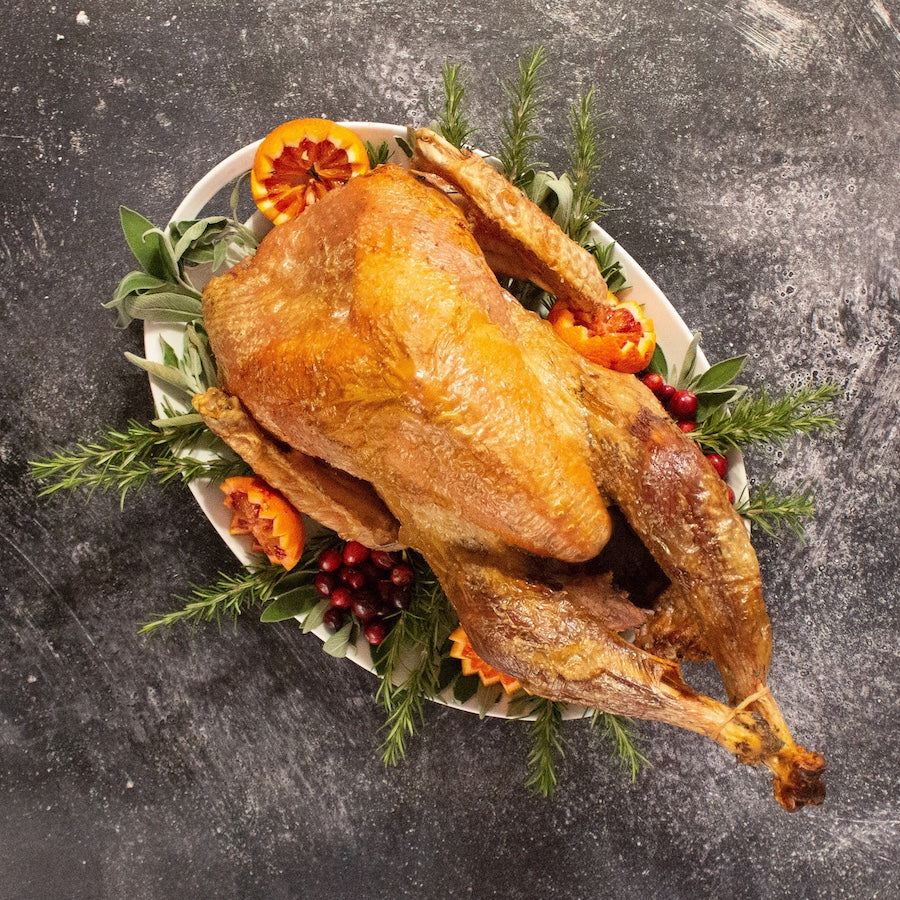
This method is perfect if you want crisp, golden skin and a classic roasted flavor. It’s simple and reliable, but the breast can cook faster and risk drying out if not carefully managed. The meat may also be slightly less tender than with a braising or steaming step.
Method 2 — Braise or Steam, Then Roast
This approach produces exceptionally tender, juicy meat thanks to the gentle initial cooking phase. It’s forgiving and keeps the breast moist, but the skin won’t crisp as easily unless you finish at high heat. It also requires more steps and attention. Both methods yield excellent fat for rendering, so your choice can be based entirely on texture preference. For this recipe, we focus on dry roasting, but we’ll provide links to braising and steaming recipes at the end.
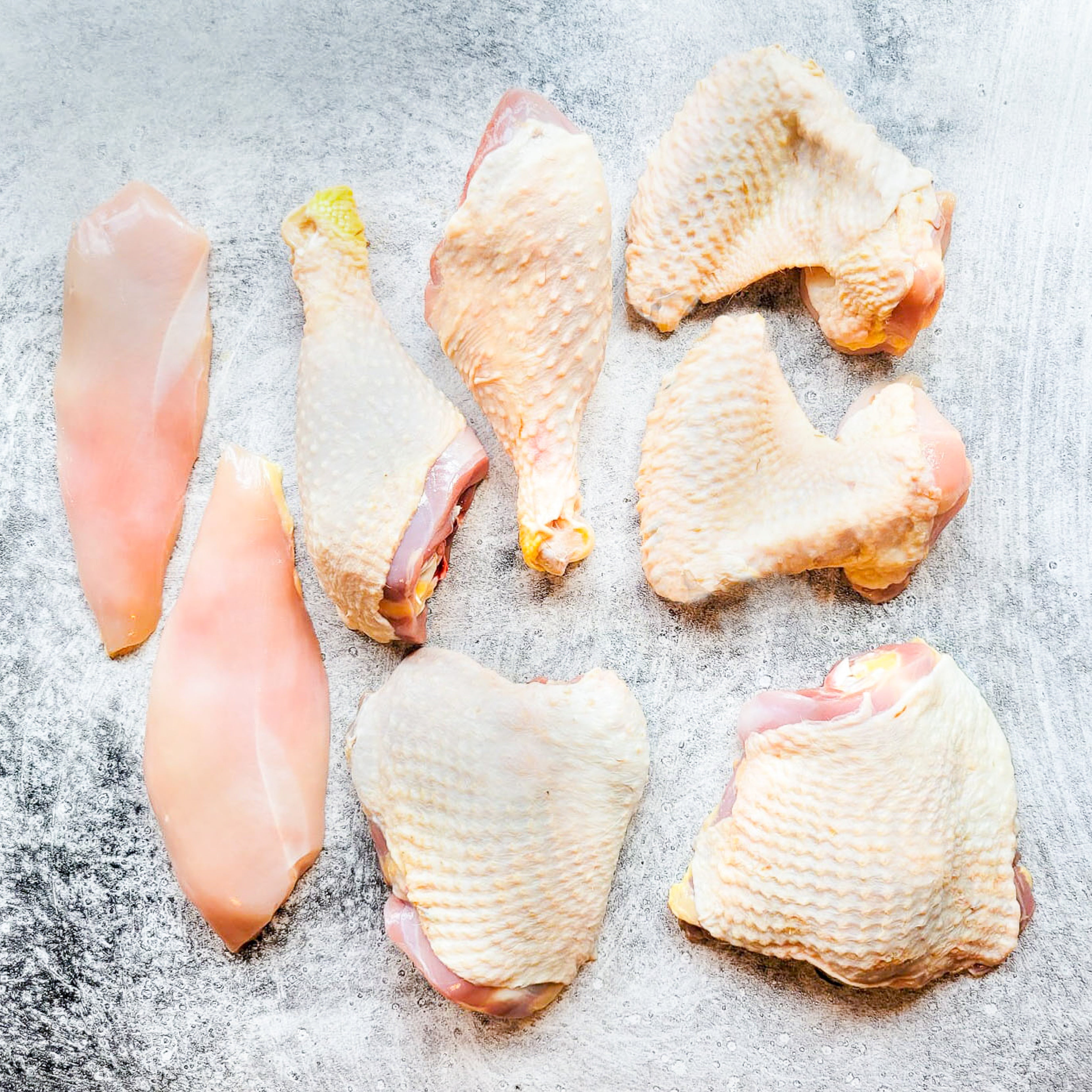
Method 3 — Cut Up Your Goose
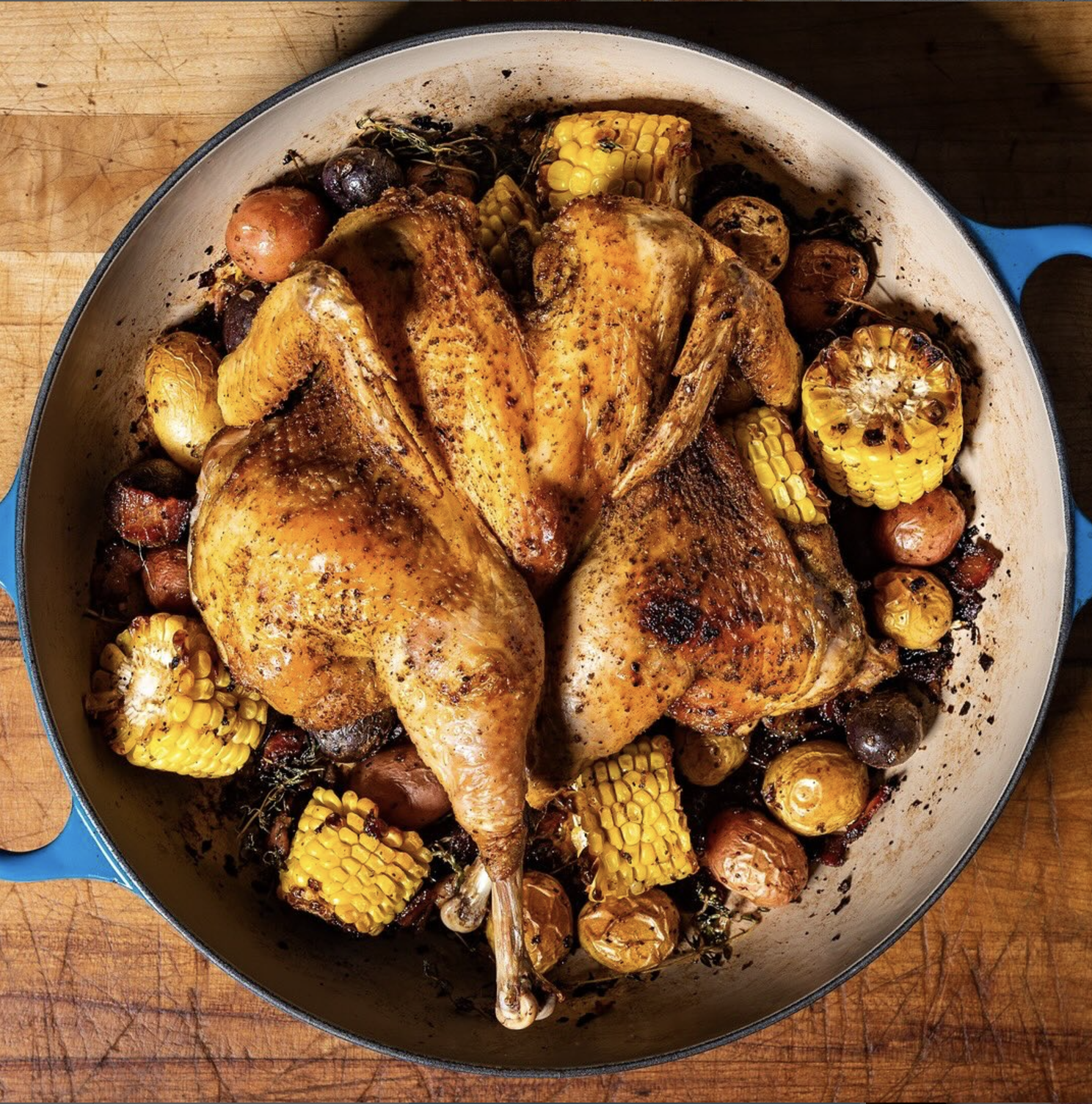
This is ideal for the more experienced cook who wants to treat each cut perfectly and isn't focused on having a centerpiece at the table. Debone the Goose Breasts, tenderize, and prick the skin. Cook them medium-rare or medium using a forward or reverse sear. You can confit, dry roast, or braise the Goose Legs. Trim all the leftover Goose Fat and Goose Skin to make shmaltz and gribbenes. Use the remaining Goose Bones, Goose Gizzard, Goose Heart, and other trimmings to make an exceptional goose stock.
Step-by-Step Goose Roasting Instructions
1. Preheat your oven
Set your oven to 350°F.
2. Prepare the goose
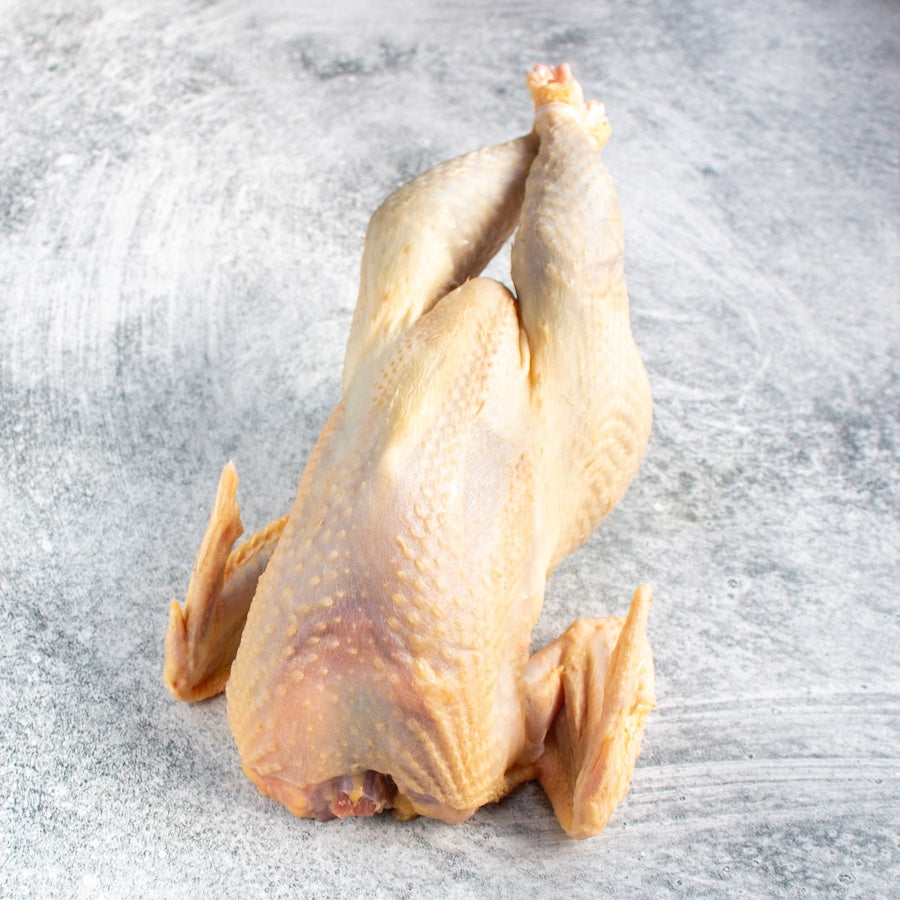
Remove the giblets and neck.
If desired, remove excess cavity fat and render it separately—ideal for making gribbinis or cracklings. If you plan to stuff the bird, you can reserve this extra fat and skin to cover your stuffing.
3. Prick the skin
Using a skewer, fork, or thermometer probe, prick the skin all over—front, sides, and back—being careful not to pierce the meat. This helps fat render and ensures crispy skin.
4. Truss the goose
Trussing helps the bird cook evenly and makes it easier to handle when flipping.
5. Season and set up your roasting pan
Rub the goose with a thin layer of fat, salt, and pepper.
Place the bird on a V-rack inside a roasting pan. Add about 1 inch of water or stock to the pan, and place the neck and giblets in the liquid. Make sure the pan never dries out during cooking.
Cooking Timeline
Roast the goose at 350°F for 15–20 minutes per pound. If your oven has convection, turn it on for extra crisping.
-
First 1/3 of cooking time: Roast breast-side up.
-
Next 1/3: Flip the bird breast-side down to keep the breast moist and encourage even fat rendering.
-
Final 1/3: Flip breast-side up again to finish.
If the skin isn’t crisping well—especially on smaller birds—raise the heat to 400°F during the final stage.
Resting, Carving & Stock
Once done, let the goose rest for 20 minutes before carving.
The giblets may be eaten or reserved for a giblet gravy. The neck can be eaten or added to the frame to make a rich goose stock or soup.
Rendering & Storing the Fat
Pour the roasting pan contents through a fine mesh strainer lined with cheesecloth or paper towels into a heat-safe bowl. Refrigerate until fully chilled.
Once cooled, the pure white fat will solidify on top, with water or impurities settling at the bottom. Lift off the fat and store it in a jar or airtight container in the fridge.
This rendered goose fat is perfect for frying potatoes, roasting vegetables, or using as a flavorful substitute for oil in other dishes. The liquid underneath can be used for sauces or soups, or discarded if desired.
Old Jewish cookbooks with numerous Goose Recipes within
-
The International Jewish Cook Book - A Modern "Kosher" Cook Book
- The Jewish Holiday Cook Cook, Leah Leonard - available used and for free viewing through the Internet Archive
Traditional Goose Stuffing Recipes (James Beard)
-
Roast Goose with Prunes and Apples — a classic James Beard goose stuffing featuring prunes and apples.
-
Christmas Goose and Stuffing — bread crumbs, apples, chestnuts, prunes, thyme, and nutmeg.
-
Brioche Stuffing — a bread-based alternative adaptable to poultry.
- James Beard's classic book Fowl and Game Cookery has many helpful recipes for cooking Goose and other heritage birds. You can find it through amazon and other sellers or in the online internet archive.
Additional Recipes for Steamed or Braised Start
-
Steamed Start Goose — works well for rendering clean fat to use in other dishes.
-
Braised Holiday Goose — produces super tender, juicy meat, but is less ideal for reserving rendered fat.